
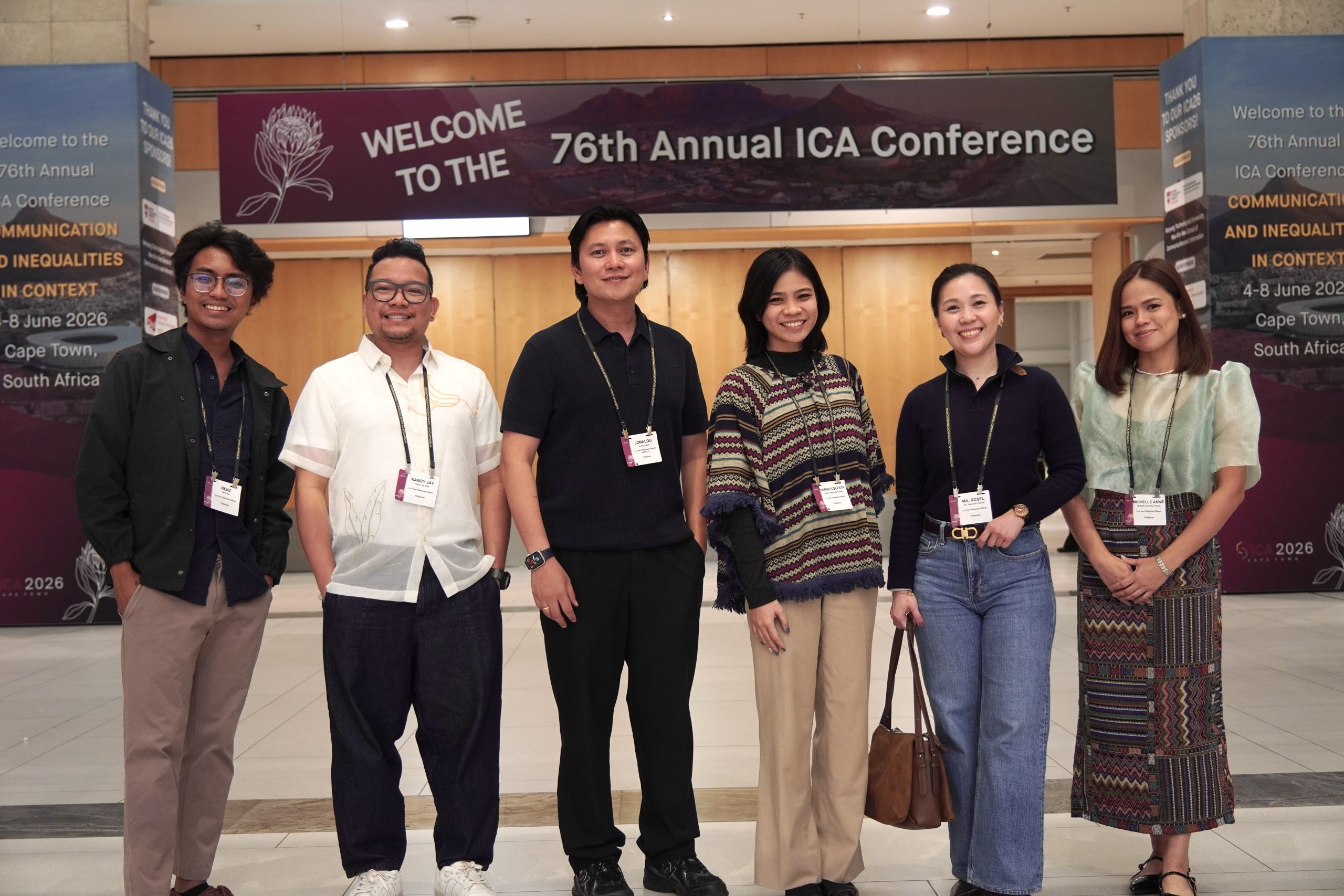
Five faculty members and one undergraduate student from the Department of Communication Research (DCRes) presented papers at the 2026 International Communication Association (ICA) Conference, held in Cape Town, South Africa, from 4–8 June 2026.
The presentations reflected the department’s diverse research interests across the ICA divisions of Political Communication, Digital Activism and Social Change, Philosophy, Theory and Critique, Gender, and Science Communication, showcasing DCRes scholars’ engagement with pressing social, political, and contemporary communication and media issues.
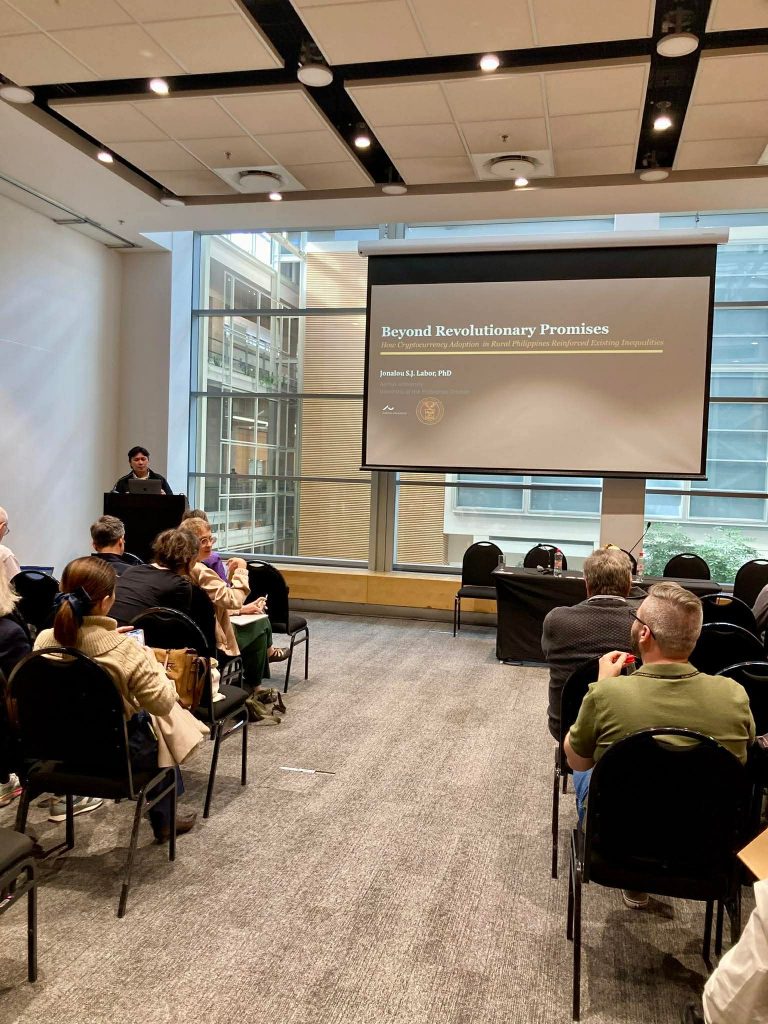
Prof. Jonalou S. Labor, PhD presented the paper “Beyond Revolutionary Promises: How Cryptocurrency Adoption in Rural Philippines Reinforced Existing Inequalities,” which received the Top Faculty Paper Award from the ICA Philosophy, Theory, and Critique Division. Through fieldwork research, the study highlights how government agencies, entrepreneurs, and marginalized populations experienced cryptocurrency adoption, raising important questions about the role of emerging technologies in addressing development challenges in the Global South. [Read More]
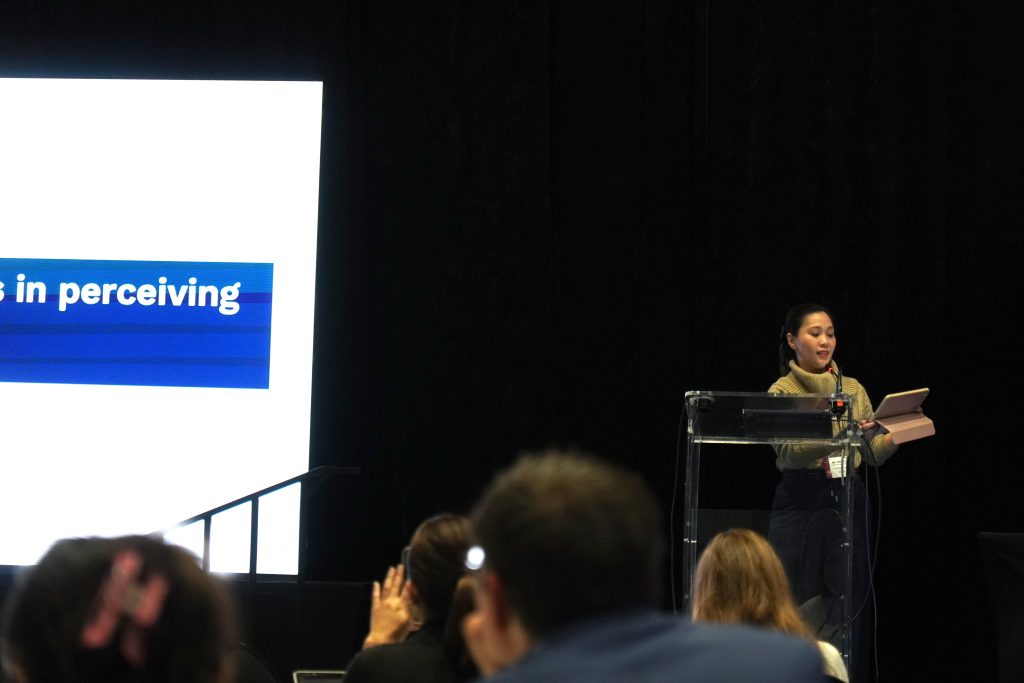
Digital communication was also the focus of research presented by Prof. Ma. Rosel “Chen” San Pascual, PhD. She presented the paper “Profiling Sensitivity to Online Incivility,” co-authored with Asst. Prof. Jon Benedik A. Bunquin, Prof. Clarissa C. David, and Asst. Prof. Ma. Jeriesa Osorio. The study examined how individuals perceive and identify incivility in online communication and proposed a framework that categorizes sensitivity into four types: congruent sensitivity, low sensitivity, high sensitivity, and tone-deaf sensitivity. Findings suggest that people vary considerably in their ability to recognize uncivil online behavior. Among the different forms of incivility examined, threats were the easiest for respondents to identify as uncivil, while character assassination was the most likely to be overlooked and perceived as acceptable. The study suggests that repeated exposure to hostile online discourse may have desensitized individuals to certain forms of incivility, particularly personal attacks, which have become common place in digital spaces.
Questions about communication in digital spaces also informed the work of Asst. Prof. Michelle Sto. Tomas, PhD and Prof. Randy Solis, PhD, whose research focused on youth activism in a mediatized environment. In their co-authored paper “Mediatization of Youth Civil Society: Digital Activism for Social Change in the Philippines,” they examined how youth-led civil society organizations (CSOs) in the Philippines navigate an increasingly digital environment, where organizational logics are shaped by social media platforms. “We found that there is a risk that algorithmic visibility may be mistaken for meaningful civic impact,” Sto. Tomas expressed. For them, the youth must ensure that their online visibility translates into substantive social and political change.

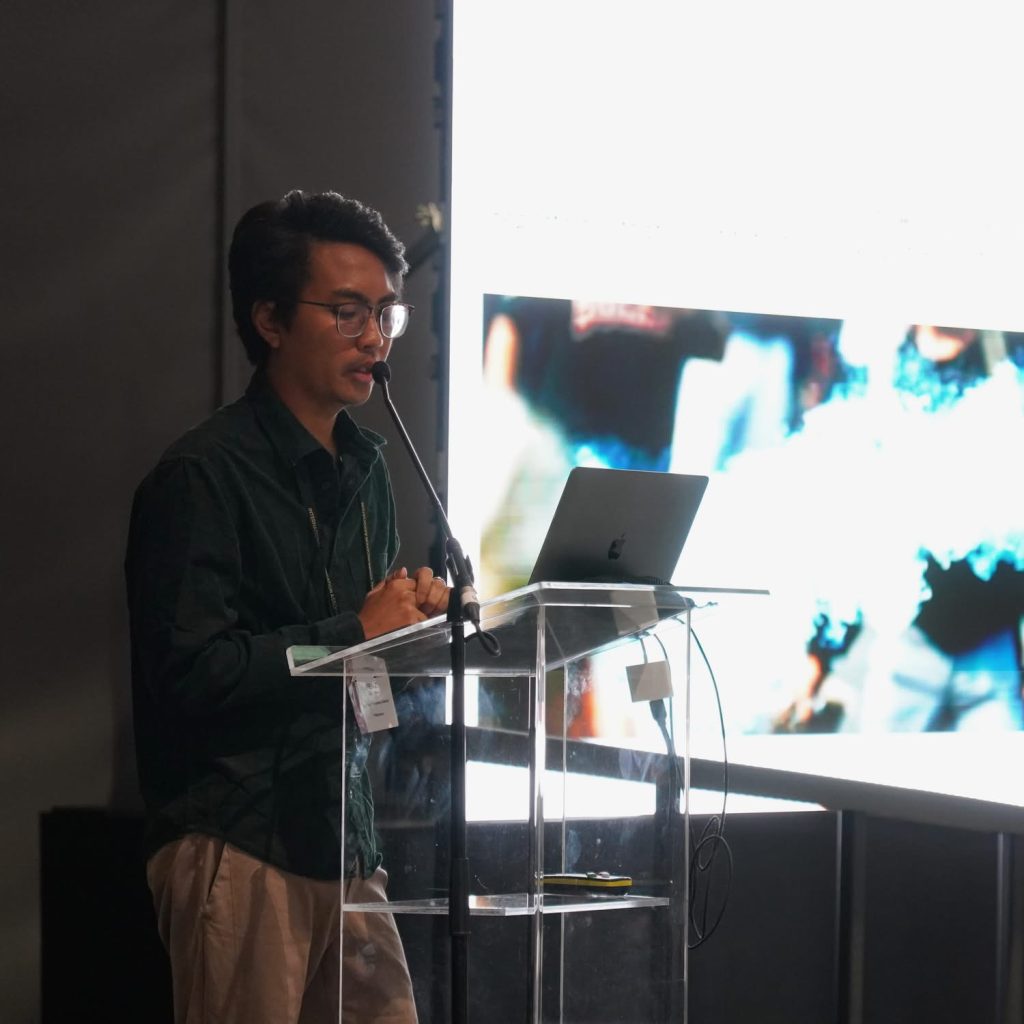
Showcasing the breadth of communication research, Asst. Prof. Renz Roc presented three papers spanning media, gender, and science communication. The first paper applied queer and postcolonial theory to an analysis of Drag Race Philippines: Slaysian Royale, while the second used multimodal critical discourse analysis to examine protest symbols across three Asian countries. Meanwhile, he returned to his long-standing interest in science communication in the third paper, co-authored with Dr. Rei Quilloy, that examined perceived competencies of first-year students after completing a foundational science communication course. Collectively, the three papers reflected Roc’s interdisciplinary engagement with contemporary cultural and educational issues. “I’m glad I was able to prove to myself that I can still take on new directions in my research. I’m now transitioning back to my usual research focus, building on what I’ve learned and integrating it into my ongoing work,” shared Roc in a Facebook post.

Meanwhile, DCRes junior Sarah Raymundo presented a study poster during the ICA Conference. Her co-authored paper with Patricia Ko, “Tara! Kain tayo!: Mapping the Nexuses and Structures of Local Mukbang-centred Foodscapes on Instagram,” was a quantitative research project for CRes 150 (Data Interpretation) under Asst. Prof. Jon Benedik A. Bunquin, PhD. The study highlights that global digital practices like mukbang have been culturally domesticated into localized assemblages, as they simultaneously operate within highly unequal platform economies. The conference also marked Raymundo’s first time presenting at ICA and her first experience presenting a research poster at an international conference. She reflected, “Any idea is worth pursuing. At first, not everything may make sense, and you may not immediately see why a research topic matters. But as you go deeper into the inquiry, you begin to realize its relevance and why it is worth exploring.”
The International Communication Association (ICA) is one of the world’s leading organizations for communication scholarship, convening thousands of researchers, educators, and practitioners from around the world each year.

/MANST