
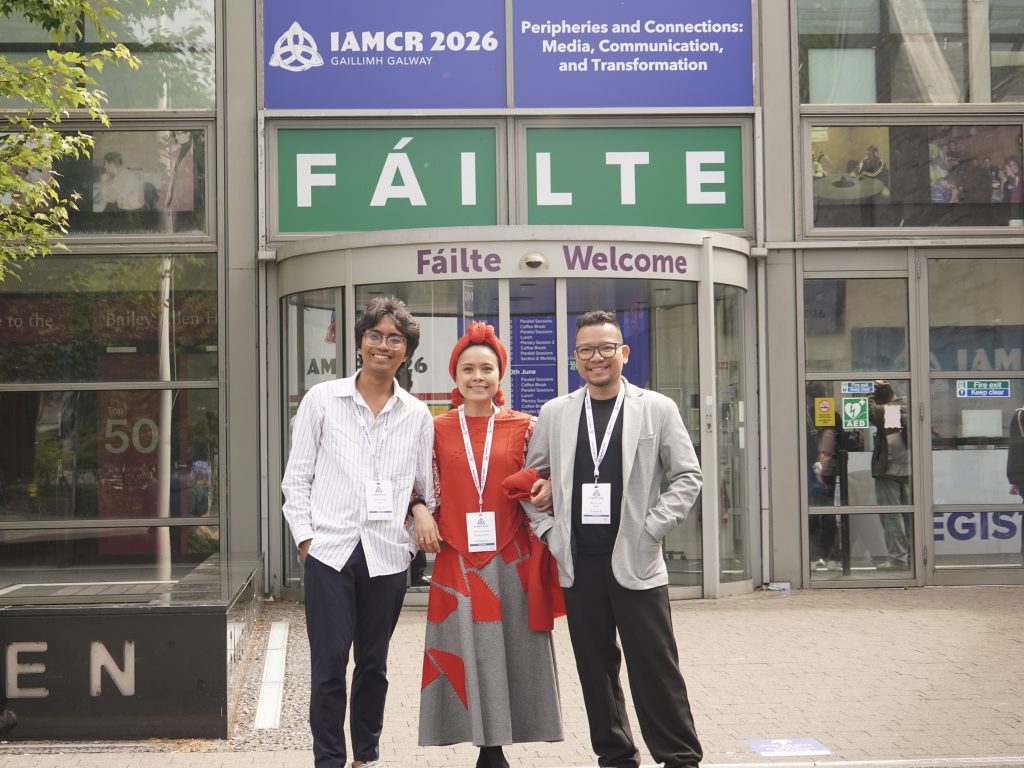
Contributing to global conversations on media and communication, four Department of Communication Research faculty members presented their papers at the International Association for Media and Communication Research (IAMCR) Conference 2026. The conference, held at the University of Galway, Ireland, from 28 June to 2 July 2026, explored the theme, “Peripheries and Connections: Media, Communication, and Transformation.”
Department Chair Prof. Julienne Baldo-Cubelo, PhD, presented her paper, “Body Talk in Media Talk: Mother-Daughter Dyads in Conversations About the Body in Mediated Text as Embodied Re-imagination of Feminism.” Using a qualitative approach, the study examined how mothers and daughters talk about the body through their engagement with mediated texts. The paper clarifies the implications of tensions in body talk covered in media talk on a feminist re-imagination for the next generation. “The paper draws recommendations on several areas, including women’s conversations about technology, the expansion of feminism within the realms of media consumption, creation, and circulation, social media use vis-à-vis parental regulation, and the ways culture is indexed in media talk,” Dr. Baldo-Cubelo shared.
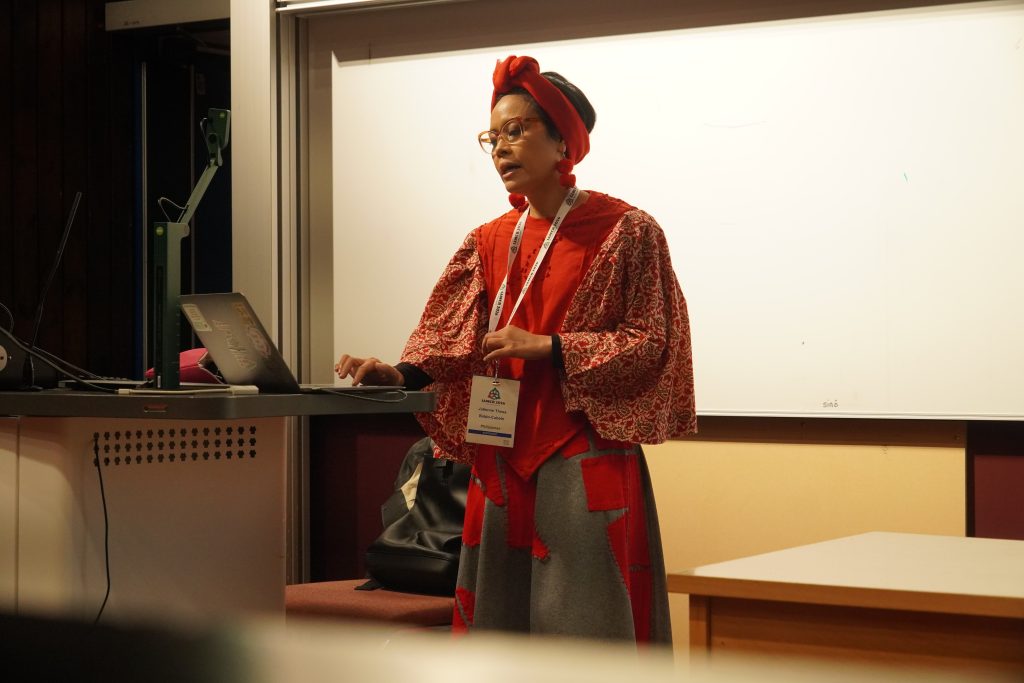
Extending the discussion of peripheral voices, Asst. Prof. Renz Roc, PhD, presented his paper on the co-development of a learning model for the Siargao Climate Field School for Farmers and Fisherfolk (SCFS). His study utilized the intersection of two distinct yet complementary approaches: Citizen Science (CS) and Living Labs (LLs). “Both CS and LLs share an emphasis on participation, contextual relevance, and collaborative knowledge production,” Dr. Roc clarified. The qualitative approach to the study enabled family farmers, alongside those from other participating stakeholders, to contribute to a model that is collectively owned and contextually grounded.
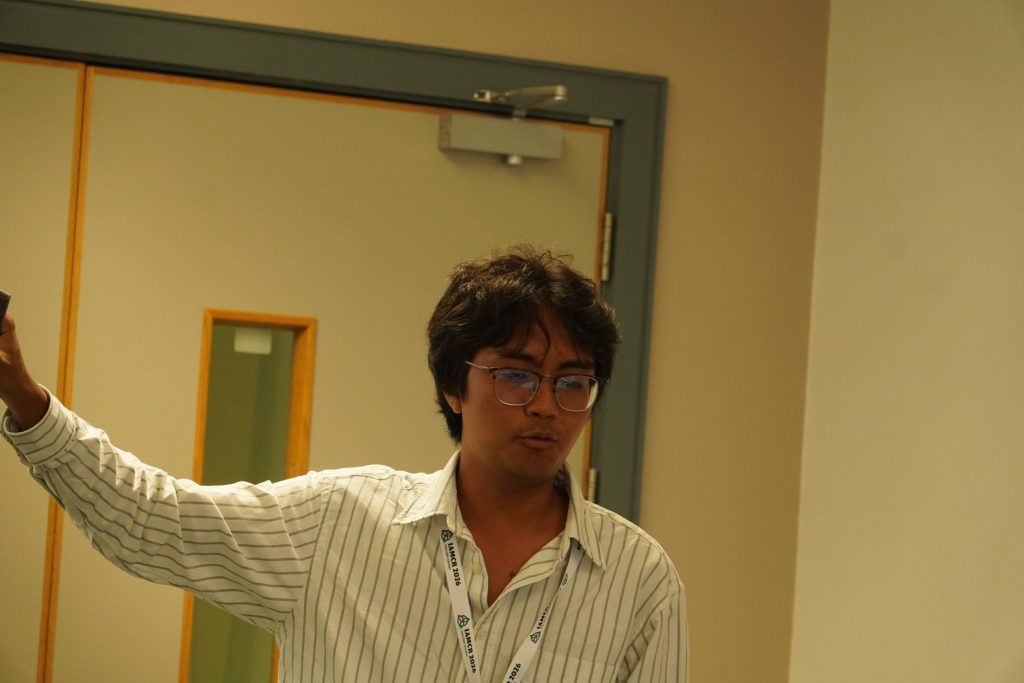
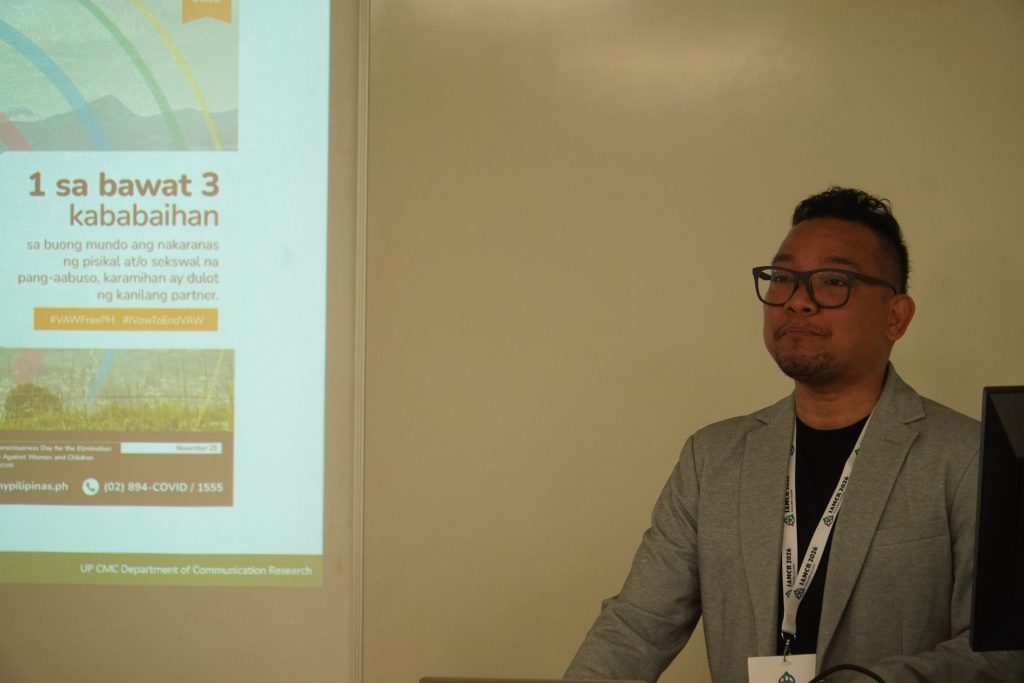
Meanwhile, Prof. Randy Solis, PhD, presented two co-authored papers that explored the dynamics of visibility and representation across different social contexts. The first, written with Prof. Fernando Paragas, PhD, and Assoc. Prof. Wowie Liwag-Lomibao, PhD, examined the topic, tone, terrain, and temporality of gender-based violence in the Philippines. His second presentation, “Hypervisible but Peripheral: Filipino Nurses and the Politics of Representation in Global Popular Media,” explored the tensions between visibility and marginality in dominant media narratives.
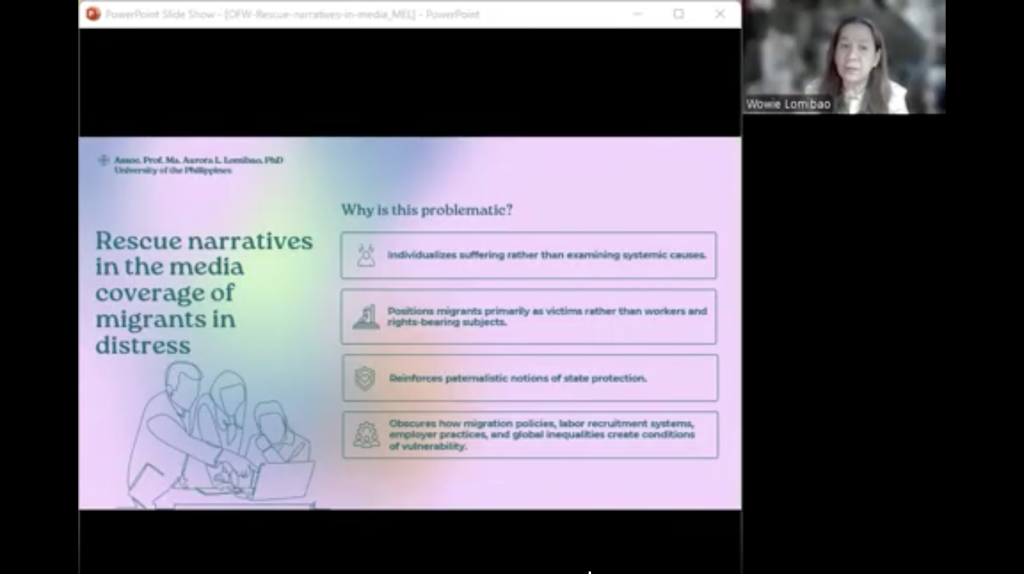
Meanwhile, Assoc. Prof. Wowie Liwag-Lomibao, PhD was the Philippine representative to the special session of the Asian Media Information and Communication Centre (AMIC), themed “Lessons from the field in labour migration communication and journalism education.” She was joined in the panel by Dr. Aysu Arsoy of the Eastern Mediterranean University in North Cyprus and Dr. Jack Linchian Qiu of Nanyang Technological University in Singapore, with the session moderated by Dr. Padma Rani of the Manipal Institute of Communication in India.
Dr. Lomibao joined the session online, and shared her research “OFW rescue narratives in Philippine media,” coverage which individualizes suffering rather than examining systemic causes of migrant distress and positions them primarily as victims rather than workers and rights-bearing subjects. “Among other things, the media should replace victimhood with dignity-centered storytelling instead,” she shared.
Founded in 1957, the International Association for Media and Communication Research aims to strengthen and improve research in media and communication.
/MANST
Leave a Reply