
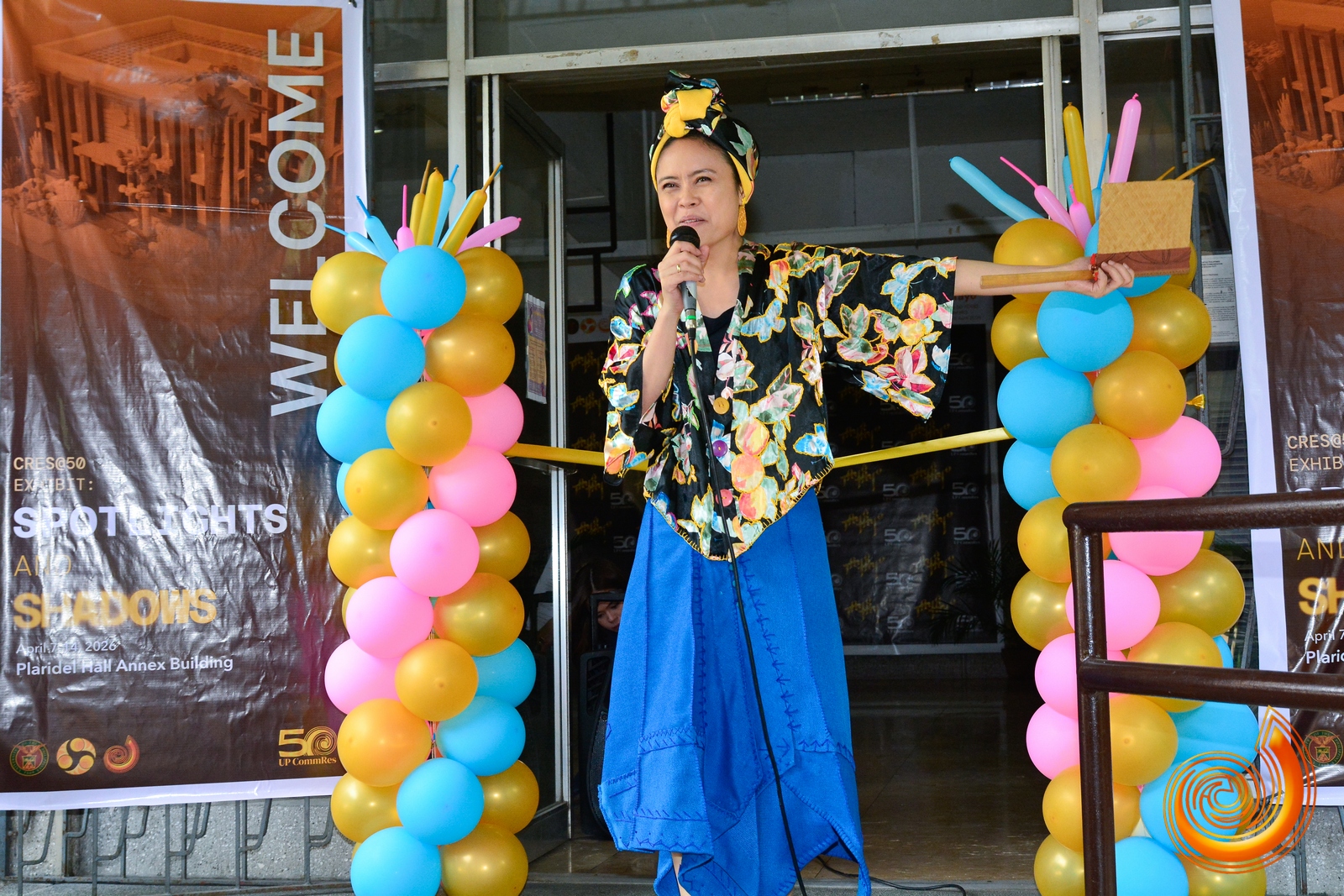

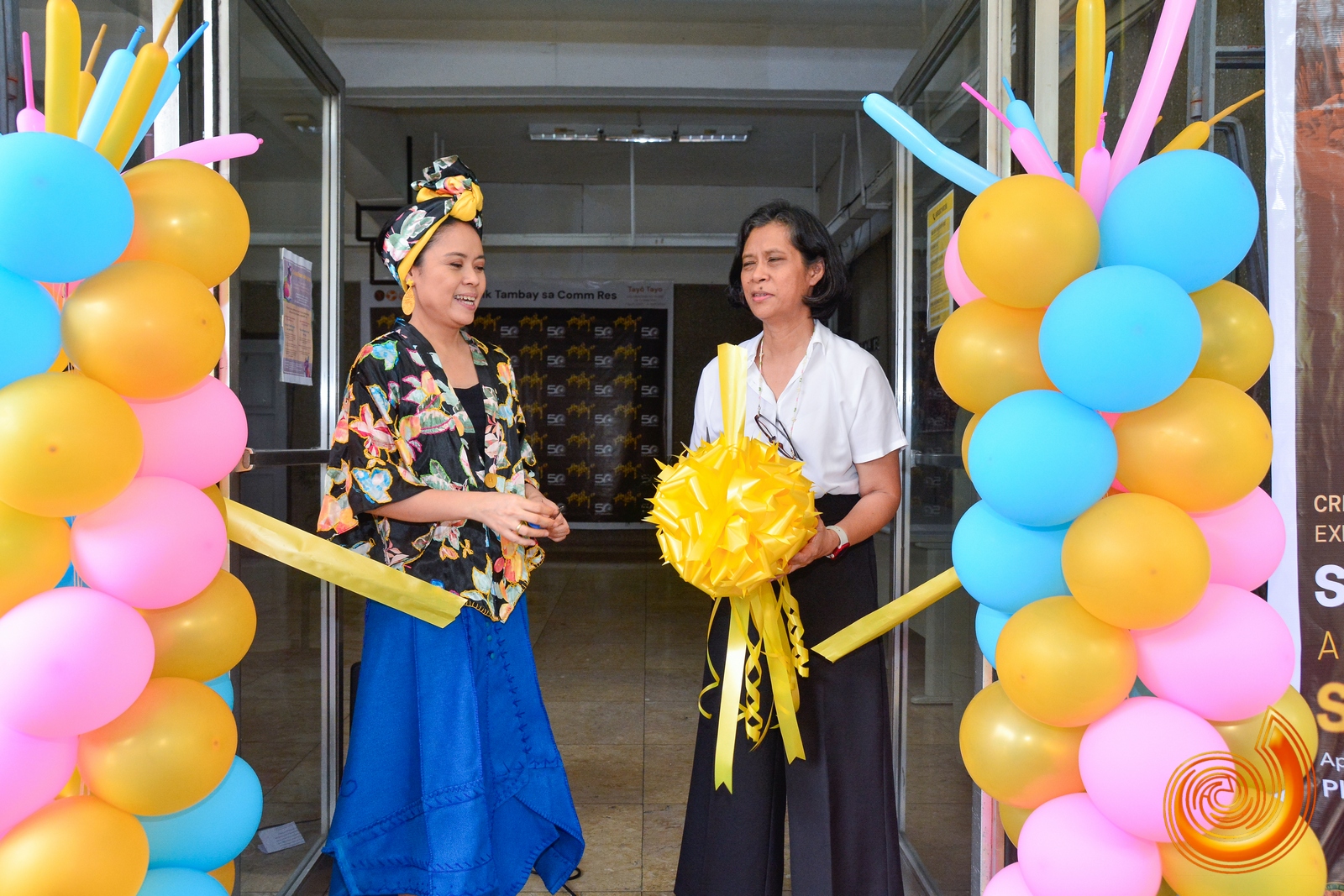
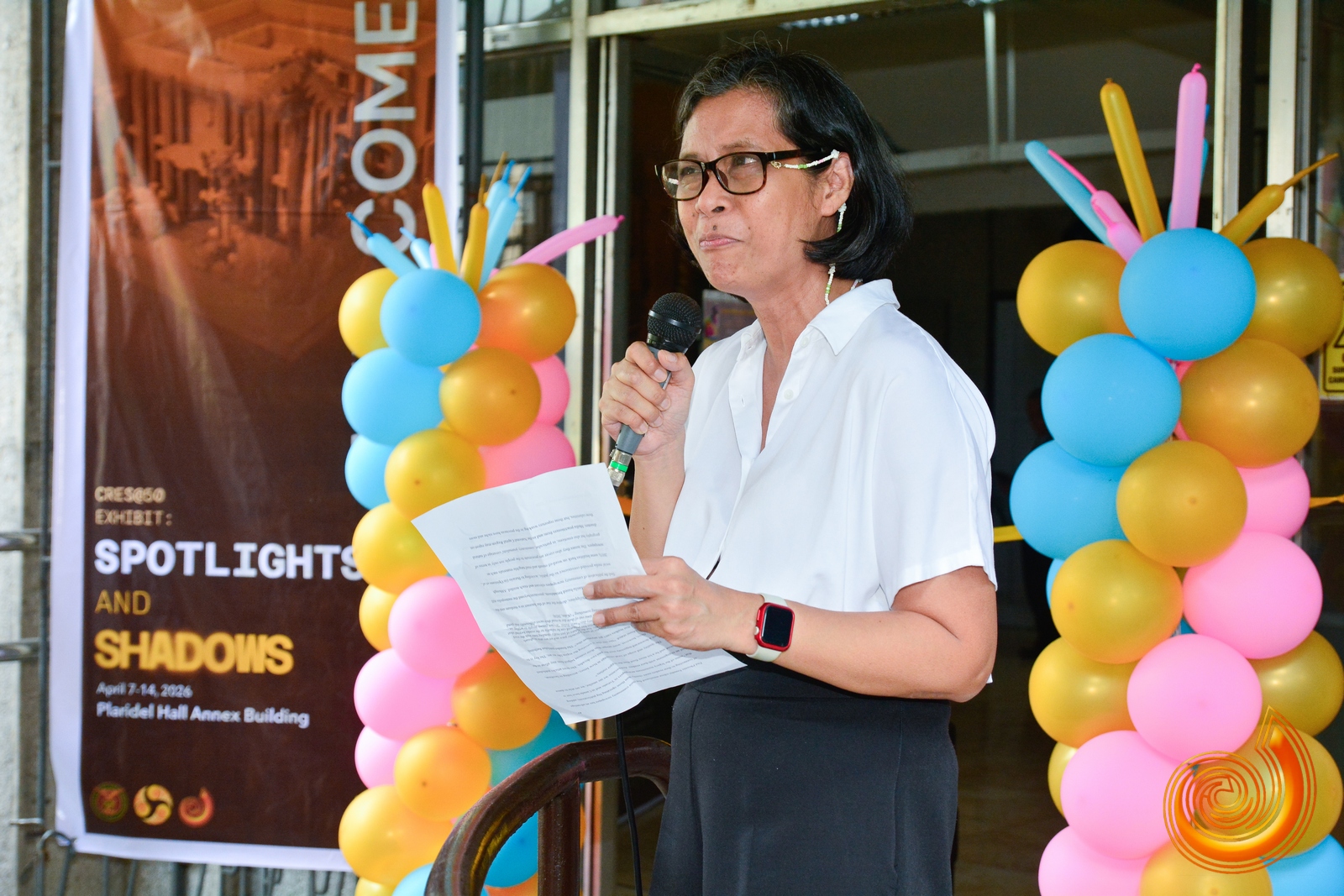

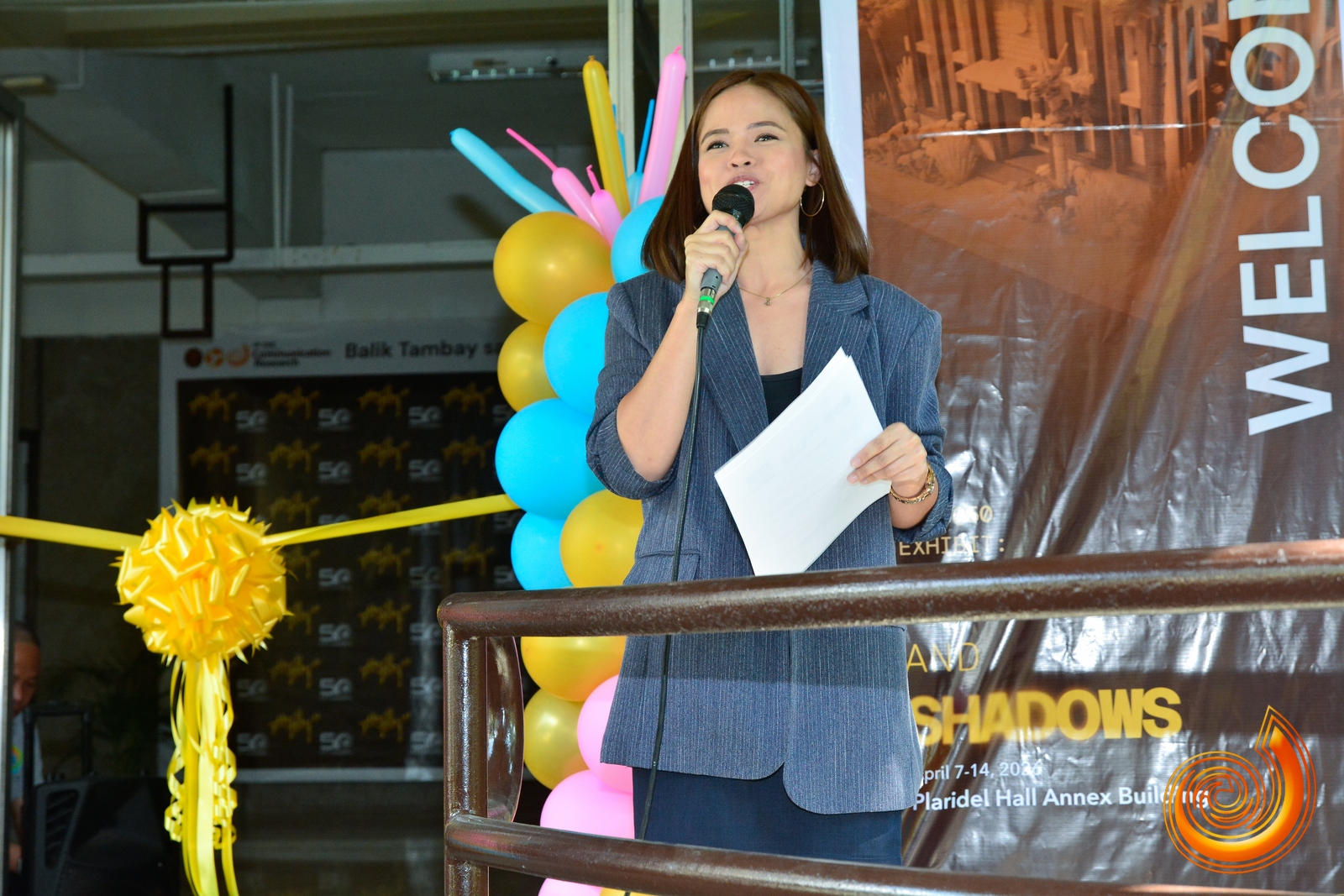
The Department of Communication Research showcased its frontstage act and backstage act through the Spotlights and Shadows exhibit on 7 April 2026.
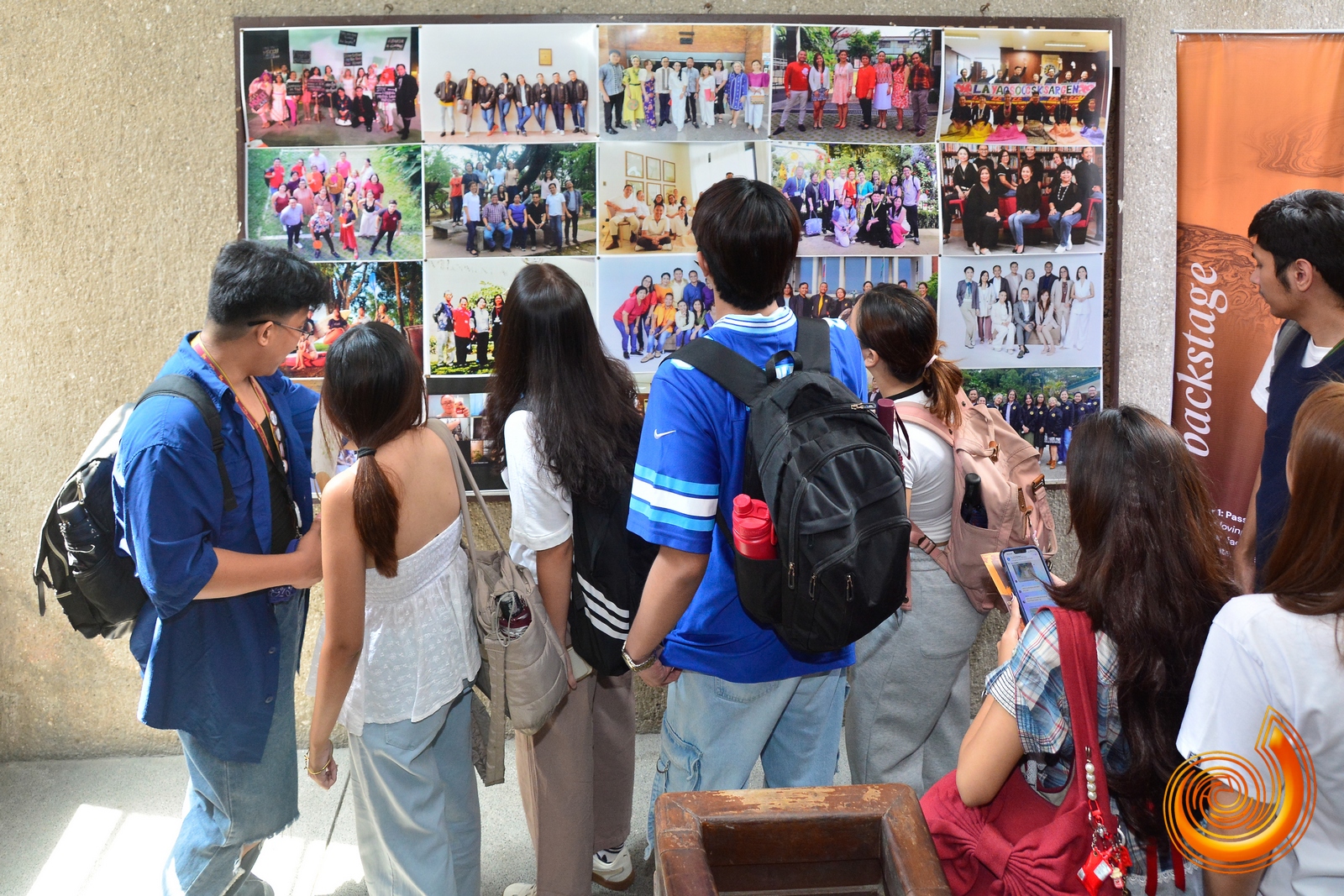
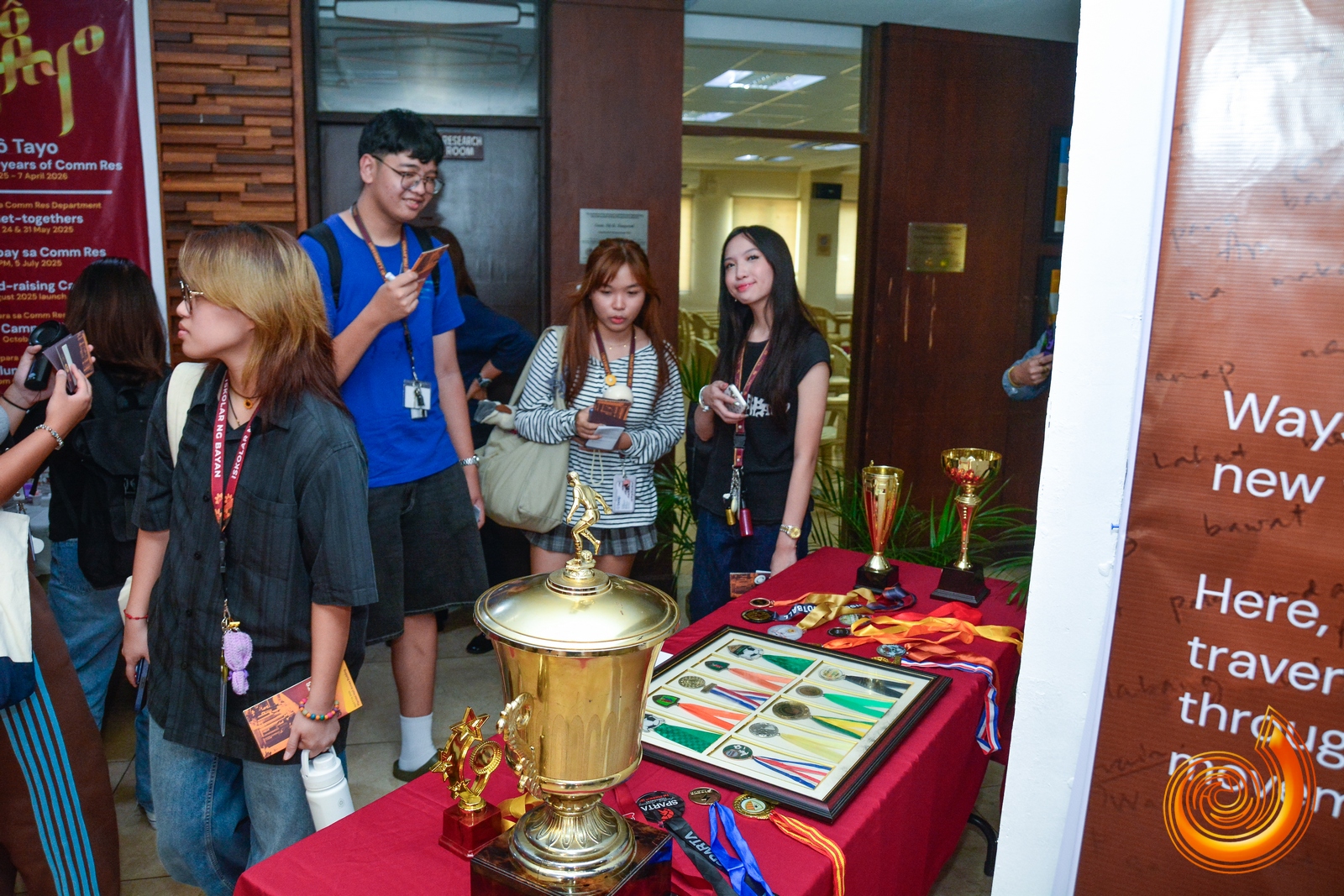
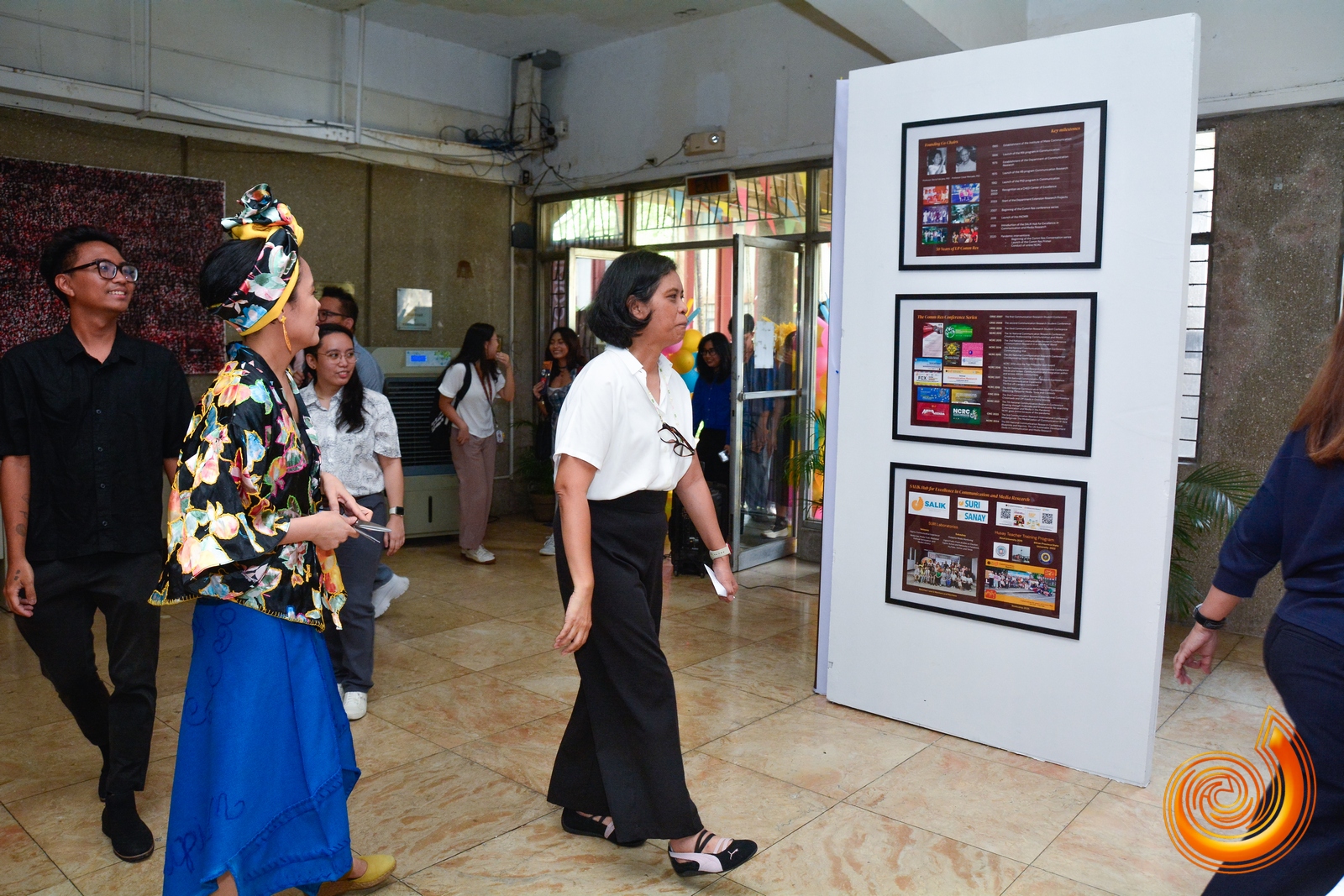
On the ground floor of the CMC Annex building, the visitors encountered the front stage of the Communication Research Department, the visible accomplishments that represent the department’s impact over the years.
Spotlights showcased three clusters. First was the department, its milestones, initiatives, and collaborations, which underscore the importance of integrating communication research in our society. Next, the students and how they advocate ethical and transformative communication research through their academics, organizations, and extracurricular activities. Finally, the alumni, tracing their successes beyond Plaridel Hall, from their life and learning in the department.
These stories of recognition, service, and innovation reflect how the work of CRes reaches audiences beyond the classroom.
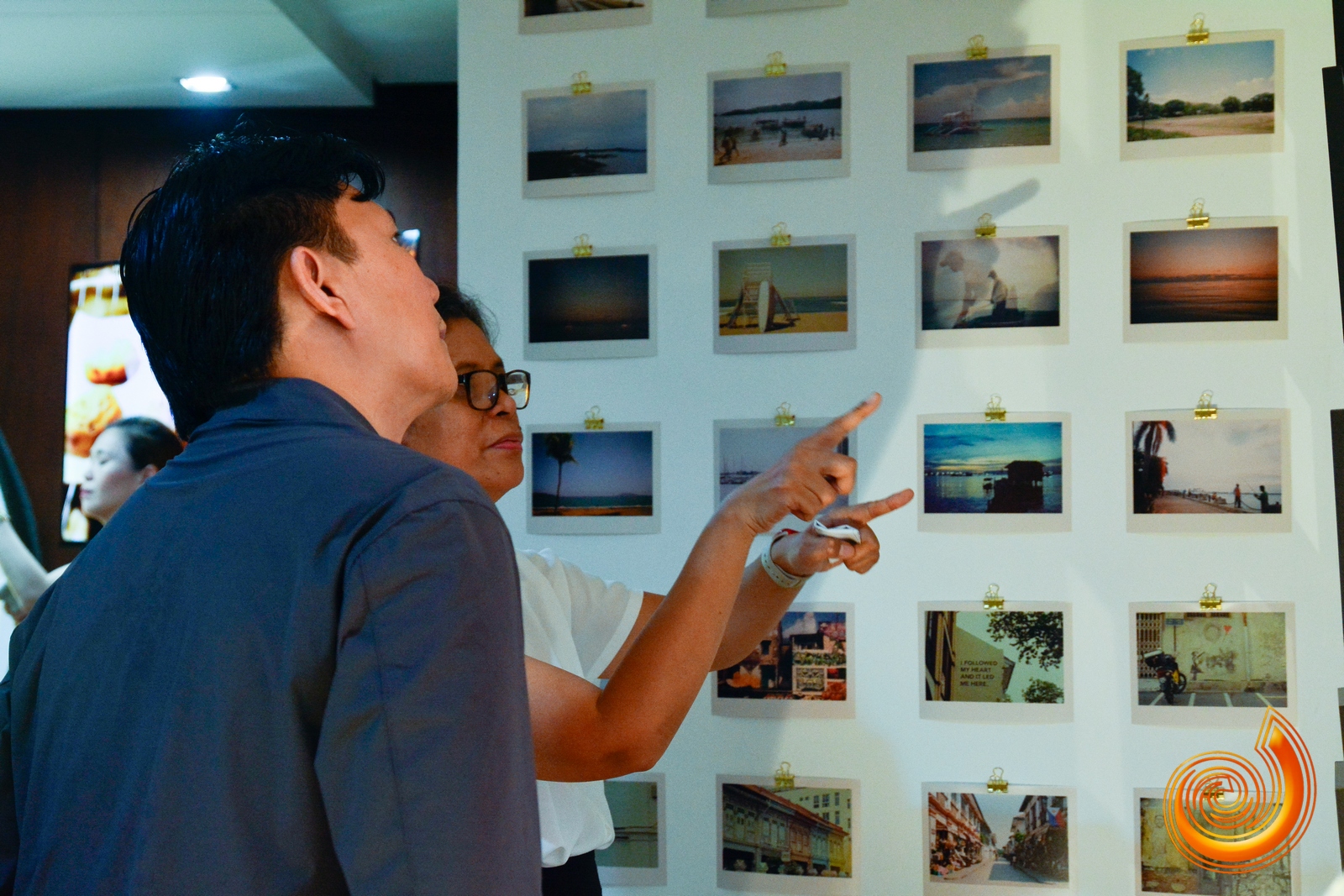
Meanwhile, the second floor revealed the backstage of communication research: the quieter, more personal spaces where ideas are shaped and data are interpreted. In this exhibit, the faculty members shared artifacts from their personal lives: art, photography, music, collections, and other creative pursuits. The exhibit had three clusters: passions, practices, and perspectives.
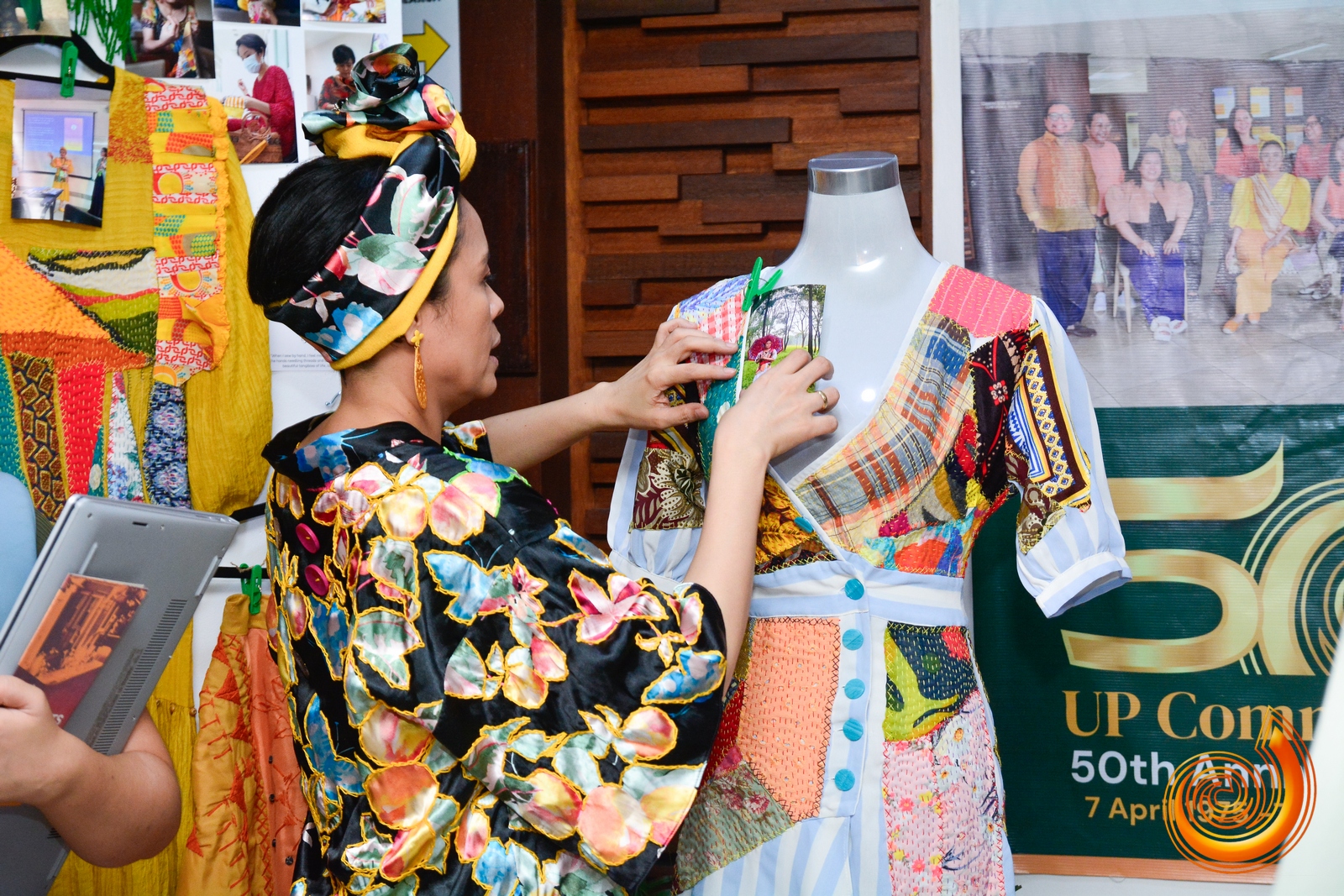
The faculty members offered a glimpse of how they create, collect, and care in the Passions cluster. “When I sew by hand, I feel most familiar with the body that carries the mind. The hands needling threads and old fabric bridge the abstract with the messy, beautiful tangibles of life, locating me in the family of things,” Dr. Julienne Baldo-Cubelo, chair of the department, indicated as she showcased her hand-stitched textile pieces.
In the Practices cluster, faculty members showed how observing, documenting, and color mixing deepen discernment. Dr. Ernan Paragas, who displayed his paintings and brick assemblage, said, “Creativity and curiosity are the foundations of art, craft, and research.”
Finally, in the Perspectives cluster, the CRes faculty traversed various terrains through sound and movement and baking. Labeling his artifact as Movere, Dr. Randy Solis explained that his exhibit is “an inquiry into how perspective animates communication and research, shaping not only what is seen but what is felt and understood across dance, theater, and fieldwork photography.”
Together, these two spaces reveal that behind every study, theory, and discovery is a life of curiosity, creativity, and experience.
-Sto. Tomas, 2026

Leave a Reply